How to Potty Train Sensory-Sensitive or Anxious Children
How do you potty train a sensory-sensitive or anxious child?
Potty training a sensory-sensitive child requires desensitizing bathroom sensory triggers: eliminating loud noises, providing soft foam seat reducers, using seamless underwear, and replacing abrupt verbal commands with predictable visual timers and gentle audio chimes.
Physiological & Developmental Foundations
For neurodivergent, autistic, or sensory-sensitive toddlers, the bathroom can feel like a chamber of sensory assault. The glare of fluorescent lighting, the cold shock of a porcelain or plastic ring, the echoing acoustics of splashing water, the smell of cleaning chemicals, and the intense physical sensation of wet wipes can trigger sensory overload and fight-or-flight reactions.
Furthermore, sensory-sensitive children frequently experience dysregulated interoception. They may not perceive the gentle stretching sensations of a filling bladder until it is bursting, or they may find the sensation of urine exiting the urethra intensely uncomfortable or alarming.
Standard high-pressure training protocols fail miserably with sensory-sensitive children. Success demands systematic environmental accommodation, graded desensitization, and low-arousal predictability. Replacing unpredictable adult shouting with calm visual countdowns gives the child a sense of psychological safety.
Step-by-Step Practical Protocol
- 1. Eliminate Tactile Temperature Shock:Warm the plastic toilet ring with a warm cloth or install a cushioned, soft-touch reducer seat to eliminate the cold jolt that triggers pelvic clenching.
- 2. Provide Full-Foot Ergonomic Stability:Sensory-anxious children fear falling into the bowl. Ensure a wide, non-slip footstool allows both feet to rest flat, providing proprioceptive grounding and security.
- 3. Switch to Seamless, Tag-Free Underwear:Tags, stiff elastics, and rough seams can cause tactile distress. Use ultra-soft, seamless bamboo training briefs that feel non-restrictive against sensitive skin.
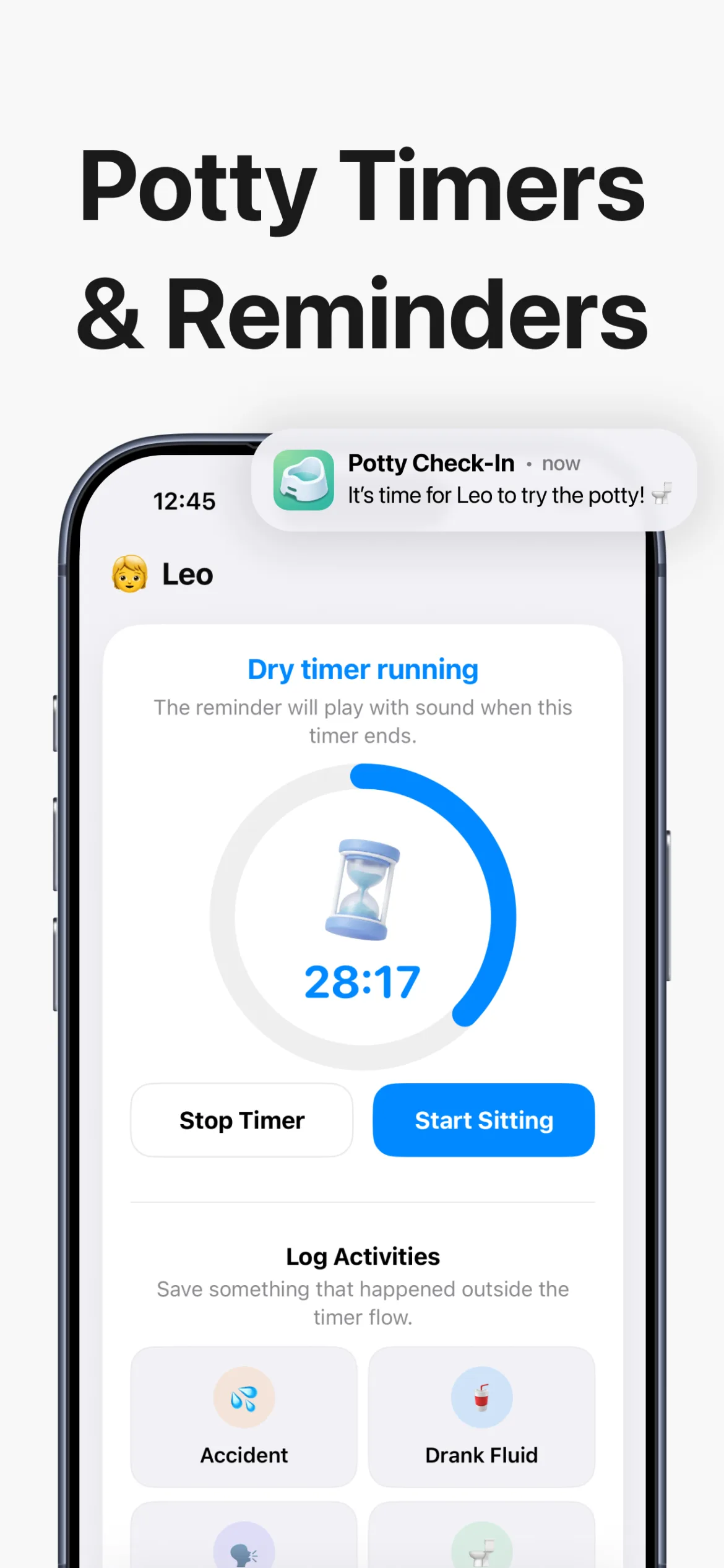
- 4. Utilize Gentle Audio and Visual Timers:Avoid harsh digital buzzer alarms. Configure a soothing harp chime or soft melody on your iPhone alongside a smooth visual countdown bar.
- 5. Create a Predictable Visual Schedule Board:Display a laminated picture sequence depicting: Pants down > Sit 3 minutes > Wipe > Pants up > Wash hands. Visual predictability dramatically reduces anxiety.
Clinical Insights & Edge Cases
Never rush a sensory-sensitive child. Allow them to practice sitting fully clothed on the potty chair for several days while reading a favorite book. Once the seat feels familiar and safe, transition to bare skin. Gradual exposure builds self-regulation without triggering meltdowns.
Common Obstacles and Hidden Friction Points
"Sensory-sensitive children achieve toilet independence 3 times faster when cold seat shocks and sudden noise triggers are systematically eliminated."
Applying standard high-pressure 3-day boot camps to sensory-sensitive children often triggers profound stool withholding, urinary retention, and trauma.
Automate This in 1 Tap with Potty Training App
Potty Training App features gentle, calming audio chimes and a clean, non-stimulating interface with zero flashing ads or abrasive noises, ideal for sensory-sensitive toddlers. Runs 100% offline using CoreData local SQLite storage, eliminating cloud latency and protecting child privacy.