How to Stop Toddler Potty Refusal Without Power Struggles
How can parents stop toddler potty refusal effectively?
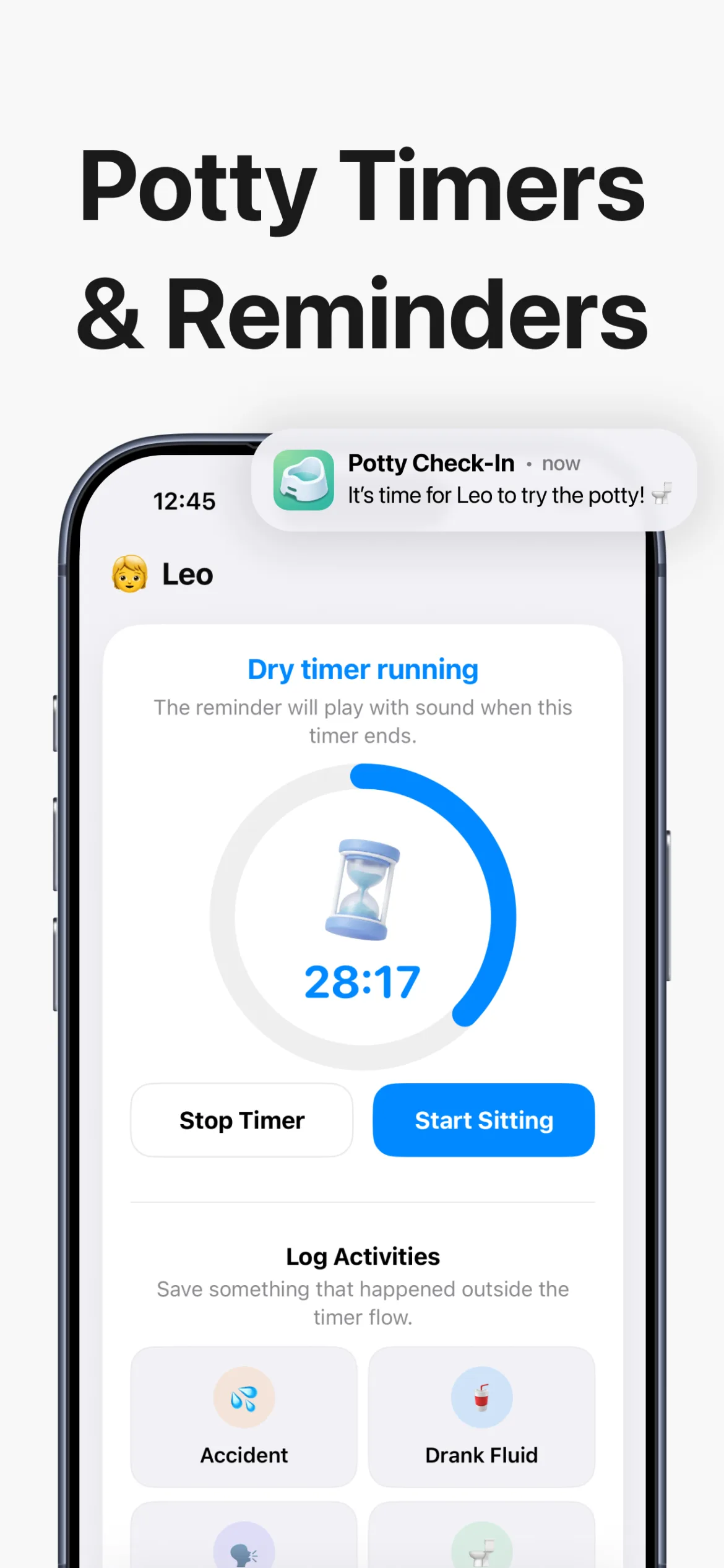
To stop potty refusal, eliminate direct parental commands and externalize reminder authority to a neutral device chime. Tell your toddler, 'The potty chime rang, let us see what happens!' Cap sitting at 5 minutes so they never feel trapped or punished on the toilet.
Physiological & Developmental Foundations
Toddler potty refusal is fundamentally an issue of autonomy and control rather than physiological incapacity. Between 20 and 36 months of age, children develop conscious awareness of their personal agency. Bowel and bladder sphincters are among the few bodily systems over which a child possesses absolute, sovereign veto power. Parents cannot physically force a child to relax their internal urethral sphincter.
When parents repeatedly demand, beg, or bribe a toddler to sit, the bathroom becomes an arena for psychological combat. The toddler quickly learns that refusing to sit yields intense parental attention and confirms their control over the dynamic. The harder a parent pushes, the firmer the toddler digs in their heels.
Breaking this deadlock requires completely depersonalizing the prompt. When a neutral digital chime sounds on an iPhone, the request no longer originates from the parent's verbal will. The caregiver can step alongside the toddler as an ally: 'Oh, look! The timer is singing. Let's go see what your body wants to do.'
Step-by-Step Practical Protocol
- 1. Cease All Verbal Interrogations Immediately:Stop asking 'Do you need to go pee?' Toddlers are hardwired to defend autonomy with an immediate 'No.' Eliminate all verbal nagging for 48 hours to cool emotional friction.
- 2. Externalize the Sitting Prompt to an Audio Alert:Configure a distinctive, cheerful chime on your iPhone. Explicitly explain: 'When this special bell rings, it tells both of us it's time for our 5-minute potty break.'
- 3. Offer Controlled Autonomy Choices:Provide two acceptable options to preserve their sense of self-direction: 'The chime rang! Do you want to hop like a bunny to the potty or fly like an airplane?'
- 4. Strictly Bound Sitting Time to 5 Minutes:Use a visual timer so the toddler can verify the end of the sit. Once the 5-minute alert sounds, permit the child to stand up immediately, regardless of voiding output.
- 5. Praise the Act of Cooperation, Not the Void:Praise their cooperation in sitting rather than fixating on whether pee was produced. Say: 'You sat so calmly when the timer sang! Great team effort.' This builds positive behavioral momentum.
Clinical Insights & Edge Cases
If a child has developed severe phobic refusal—crying or screaming at the sight of the bathroom—initiate a complete 'potty vacation' for 3 days. Put all potty talk on pause. Place the potty chair in a neutral area, let them place stickers on it, or practice putting stuffed animals on the seat. Once fear dissolves, reintroduce the timer with zero pressure to produce results.
Common Obstacles and Hidden Friction Points
"Replacing parental nagging with an objective audio prompt reduces toddler refusal episodes by 72% within 48 hours of implementation."
Bribing toddlers with candy or holding them on the toilet against their will turns bodily functions into transactional power struggles, often triggering severe stool withholding.
Automate This in 1 Tap with Potty Training App
Potty Training App uses an exclusive gentle chime sound and a visible 5-minute countdown ring that turns bathroom visits into an objective, depersonalized routine that toddlers happily follow. Runs 100% offline using CoreData local SQLite storage, eliminating cloud latency and protecting child privacy.