How Do I Potty Train My Toddler? The Complete Blueprint
What is the most reliable step-by-step way to potty train a toddler?
Potty training your toddler requires three coordinated steps: recognizing biological readiness (dry naps, verbalizing urges), establishing an automated 45-to-60 minute dry interval routine, and consistently reinforcing effort over output with neutral 5-minute sitting attempts rather than prolonged high-pressure bathroom stays.
Physiological & Developmental Foundations
Potty training is not a disciplinary milestone; it is a complex neuromuscular learning process akin to learning how to walk or swim. It requires the integration of three distinct physiological systems: interoceptive awareness (sensing bladder and rectal wall stretch), motor coordination (locomoting to the bathroom and pushing down clothing), and autonomic regulation (voluntarily releasing internal and external sphincters while sitting).
Attempting to train a child before these physiological pathways have matured results in prolonged battles and frequent accidents. Conversely, waiting too long (beyond 36 months) often allows stubborn behavioral resistance to solidify. The ideal window occurs between 22 and 30 months, when toddler receptive language is robust and interest in family routines is high.
Successful training relies on predictable consistency over intensity. Rather than spending a single chaotic weekend hovering in high anxiety, establishing an automated timing routine creates sustainable neural habituation that carries smoothly into daycare and public settings.
Step-by-Step Practical Protocol
- 1. Assess Neurological Readiness Signs:Confirm your child stays dry for at least 90 minutes during naps, can follow simple two-step instructions, and communicates when their diaper is wet or soiled.
- 2. Prepare the Physical Environment:Place an ergonomic floor potty or toilet adapter with a sturdy footstool in the bathroom. Stock up on loose-fitting, elastic-waist training pants and remove restrictive clothing.
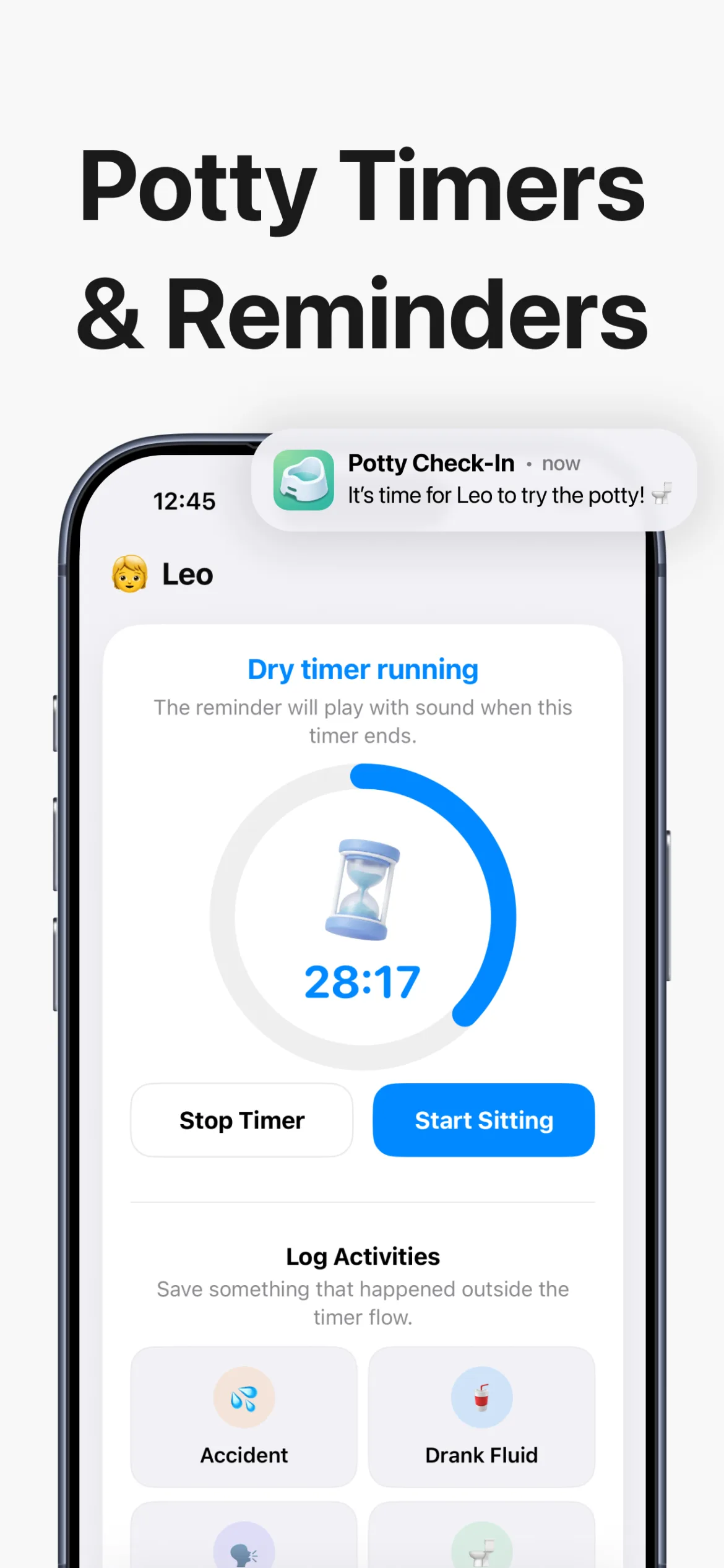
- 3. Initiate the 45-Minute Timer Routine:Ditch daytime diapers and launch an automated 45-minute timer on your iPhone. When the chime sounds, escort your child to the potty for an encouraging 3-to-5 minute sitting attempt.
- 4. Distinguish Void Types in Daily Logs:Log whether the sit produced urine, stool, both, or was an empty attempt. Logging void patterns reveals whether your child's average holding time is 45 minutes or 75 minutes.
- 5. Gradually Expand Dry Windows:Once your child achieves 3 consecutive dry days with zero puddle accidents at 45-minute intervals, expand the timer to 60 minutes, and subsequently to 90 minutes.
Clinical Insights & Edge Cases
During the initial week, expect between 3 and 6 daily puddle accidents. These are not failures; they are vital sensory learning moments. When urine trickles down their legs, the child's sensory nervous system connects the internal sensation of fullness with the physical result of wetness. Calmly say: 'Pee belongs in the potty. Let's hurry to the bathroom to finish!'
Common Obstacles and Hidden Friction Points
"Children trained with consistent scheduled intervals experience 50% fewer daytime accidents during the first two weeks than those trained on demand."
Hovering constantly over a naked child creates an atmosphere of hyper-vigilance and anxiety, causing children to withhold urine until parents look away.
Automate This in 1 Tap with Potty Training App
Potty Training App establishes a calm, orderly framework. It runs 45-minute background countdowns, prompts 5-minute sitting guardrails with gentle sounds, and records data seamlessly via CoreData. Runs 100% offline using CoreData local SQLite storage, eliminating cloud latency and protecting child privacy.