How to Transition from Daytime Dryness to Nighttime Potty Training
How does nighttime potty training differ from daytime toilet training?
Nighttime potty training is governed by hormonal biology rather than behavioral habit. It requires the brain to produce sufficient Antidiuretic Hormone (ADH) to concentrate urine overnight and deep-sleep arousal to wake when the bladder fills. Daytime training should always be mastered first.
Physiological & Developmental Foundations
Many parents mistakenly believe that daytime and nighttime toilet training are two halves of the same behavioral lesson. In reality, they are physiologically distinct developmental milestones. Daytime continence is a learned voluntary neuromuscular skill controlled by the cerebral cortex and striated muscle sphincters. Nighttime dryness is fundamentally an involuntary endocrine and neurological maturation process.
During sleep, nighttime dryness depends on two biological criteria: first, the pituitary gland must produce a nocturnal surge of vasopressin (Antidiuretic Hormone / ADH), which signals the kidneys to reduce urine output and concentrate fluid during sleep. Second, the brain's reticular activating system must be sensitive enough to arouse the child from deep delta-wave sleep when bladder wall stretch receptors activate.
Because ADH secretion develops gradually between ages 2.5 and 7, over 20% of healthy 5-year-olds still wet the bed naturally. Pushing nighttime training before a child's nocturnal physiology has matured causes sleep deprivation, parental frustration, and unnecessary shame.
Step-by-Step Practical Protocol
- 1. Master Complete Daytime Continence First:Ensure your child has achieved consistent daytime dryness with zero waking accidents for at least 2 to 3 consecutive months before addressing nighttime sleep.
- 2. Monitor Nighttime Diaper Dryness for 14 Days:Inspect morning diapers. If diapers remain completely dry or only lightly damp upon waking for two consecutive weeks, hormonal ADH production is active.
- 3. Cap Evening Fluid Intake 60 Minutes Before Bed:Ensure rich hydration throughout daytime hours, but taper fluid consumption one hour before bedtime. Avoid caffeinated drinks or high-sugar juices in the evening.
- 4. Execute the Bedtime Double-Void Routine:Have your child sit on the potty 30 minutes before sleep, and again right before tuck-in. Emptying the bladder twice ensures low starting volume.
- 5. Protect the Mattress with Layered Bedding:Layer a waterproof mattress protector, a fitted sheet, another waterproof pad, and a second sheet. In the event of a midnight leak, strip the top layer in 30 seconds.
Clinical Insights & Edge Cases
Never wake a sleeping toddler at 11:00 PM and drag them half-asleep to the toilet (a practice known as 'lifting'). While this keeps the bed dry, it trains the child's brain to void during deep sleep without conscious arousal, actively delaying the brain-bladder waking reflex.
Common Obstacles and Hidden Friction Points
"Nocturnal enuresis is genetic and hormonal; 15% of children wet the bed at age 5 without any pathology, resolving spontaneously as vasopressin production matures."
Restricting water all afternoon or punishing bedwetting damages children's emotional health without accelerating endocrine pituitary maturation.
Automate This in 1 Tap with Potty Training App
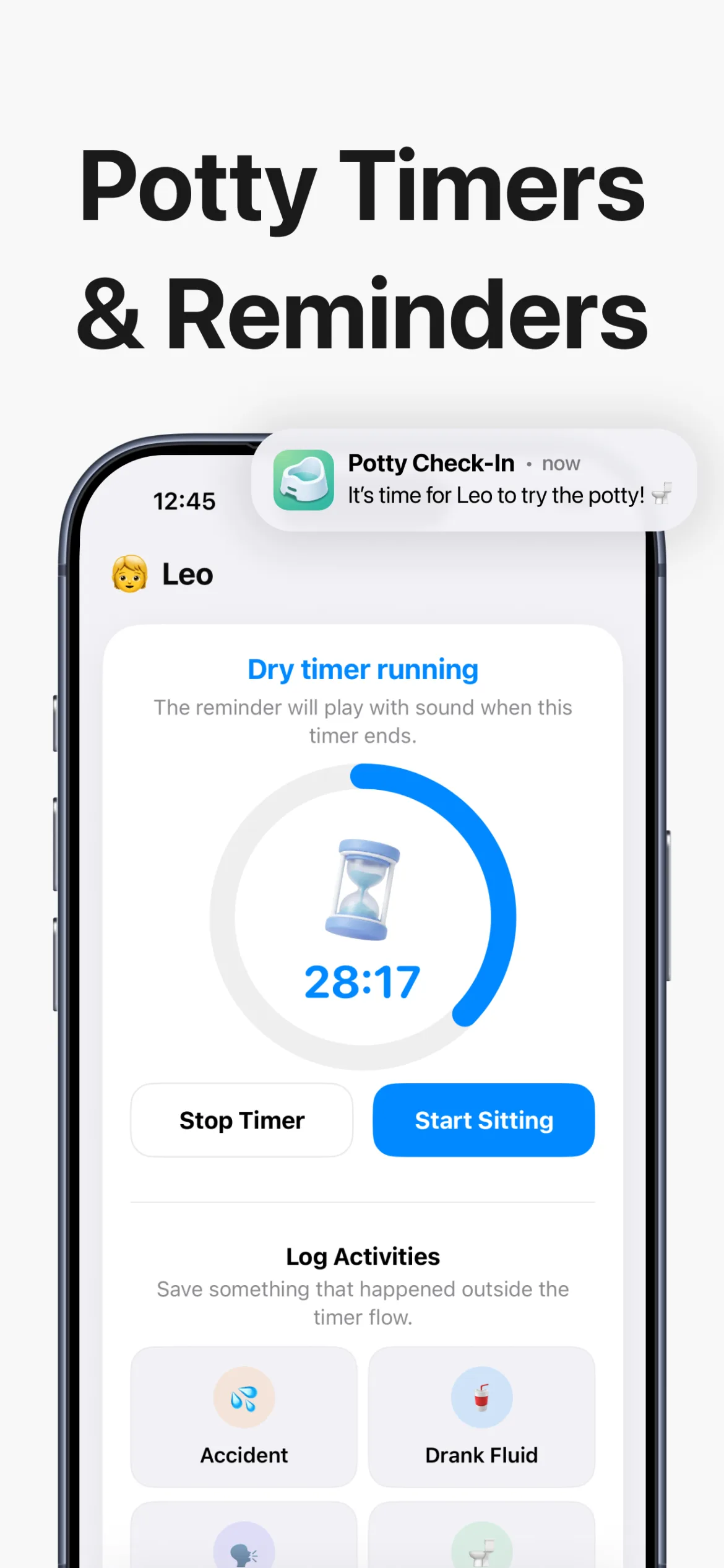
Potty Training App focuses on solidifying daytime continence routines, helping parents build rock-solid daytime bladder holding intervals before tackling night transitions. Runs 100% offline using CoreData local SQLite storage, eliminating cloud latency and protecting child privacy.